When light enters different transmission materials (such as from air into glass), about 5% will be reflected off. There are many lenses and refractors in the optical sight, which can make the incident light loss up to 30% to 40%.
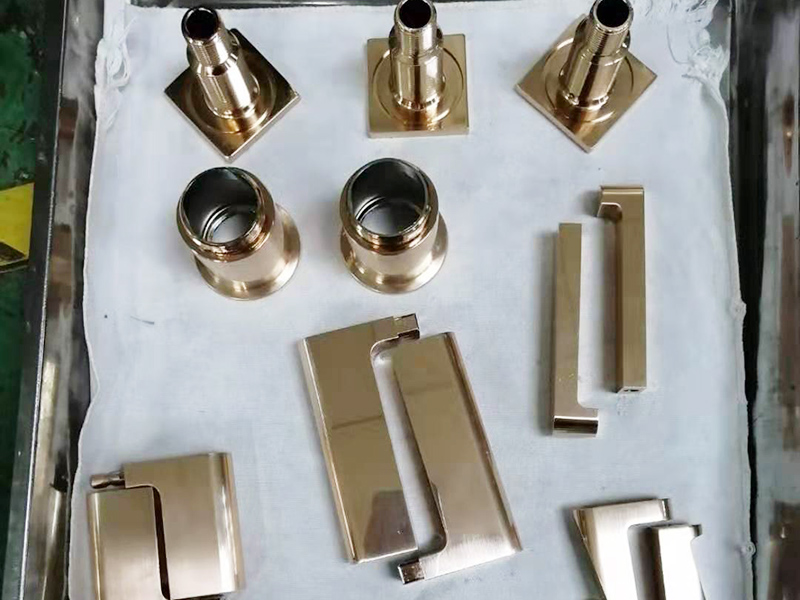
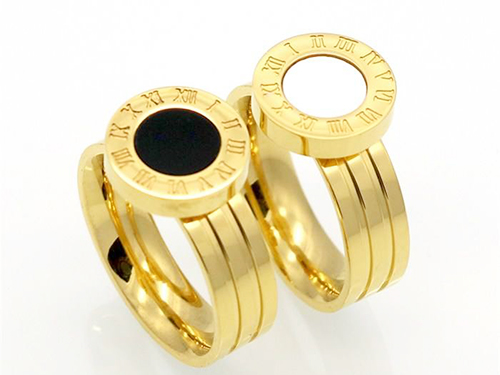
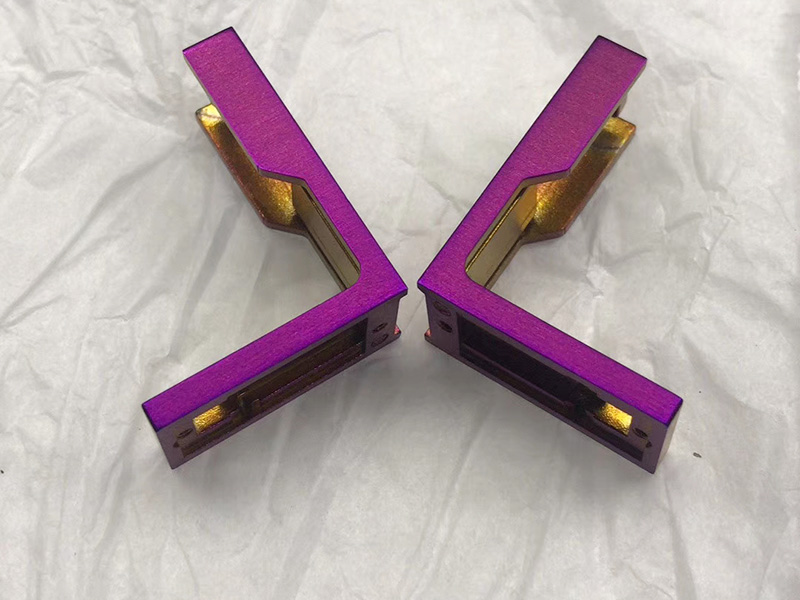
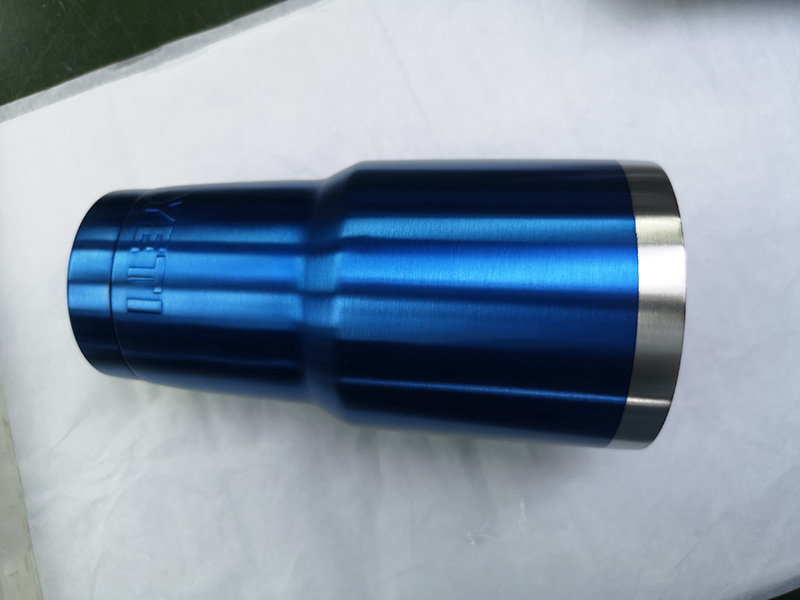
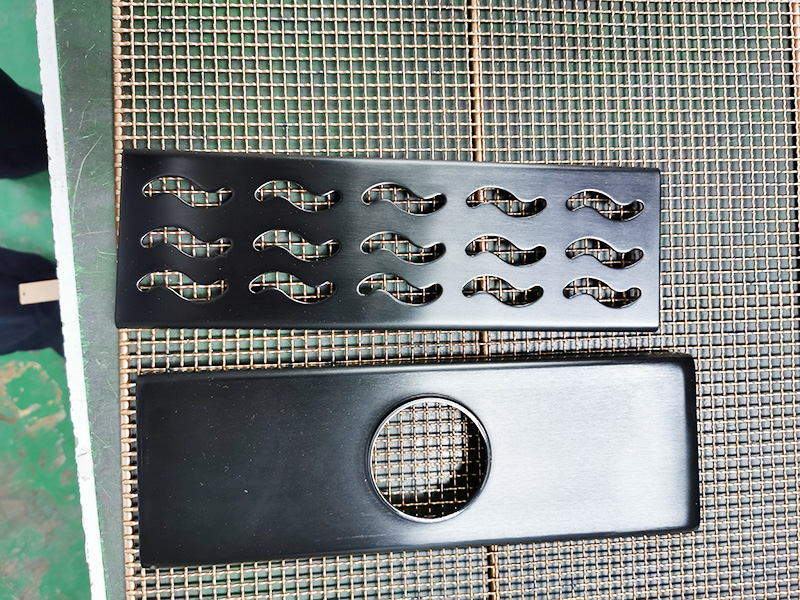
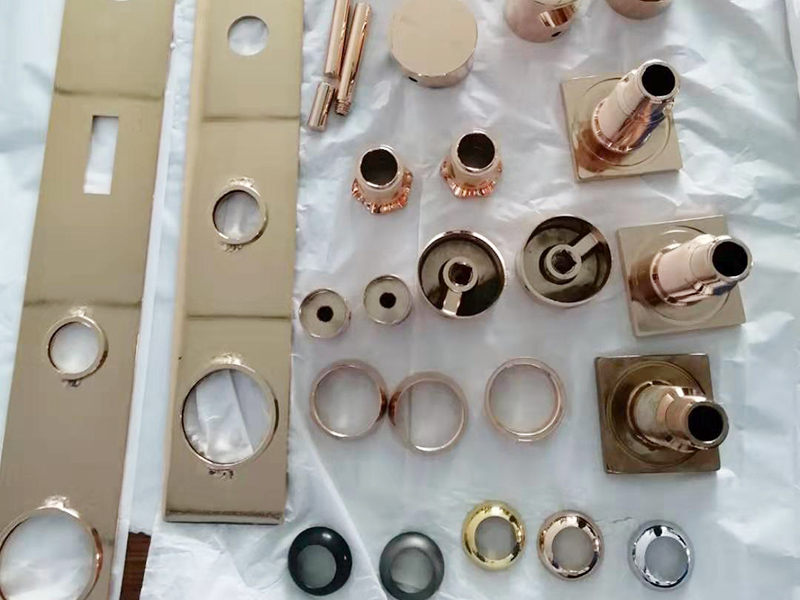
PVD vacuum coating is a surface treatment process that uses sputtering, evaporation or ion plating techniques to form a thin film on a substrate using titanium, gold, graphite, crystal and other metal or non-metal, gas and other materials in a vacuum.
my country is a large electroplating country. As one of the important processing industries in my country, the vacuum electroplating industry plays a very critical role in the rapid development of the economy, society and the entire industrial system.
Since the 1950s, optical thin films have developed rapidly in two aspects: coating technology and computer-aided design. In terms of coating, a series of new ion-based technologies have been researched and applied.
The materials used in the electroplating machine are divided into two groups, namely the primer surface coating. The requirements for these two coatings are different, for example, the requirements for the primer coating
1. Vacuum coating technology is an emerging technology. It was not until the 1960s that CVD (Chemical Vapor Coating) technology was applied to cemented carbide tools.
Total:18
Total pages:2 |
Current Page1
9First page
7Prev
Next8
Last page:
Jump






 Mobile